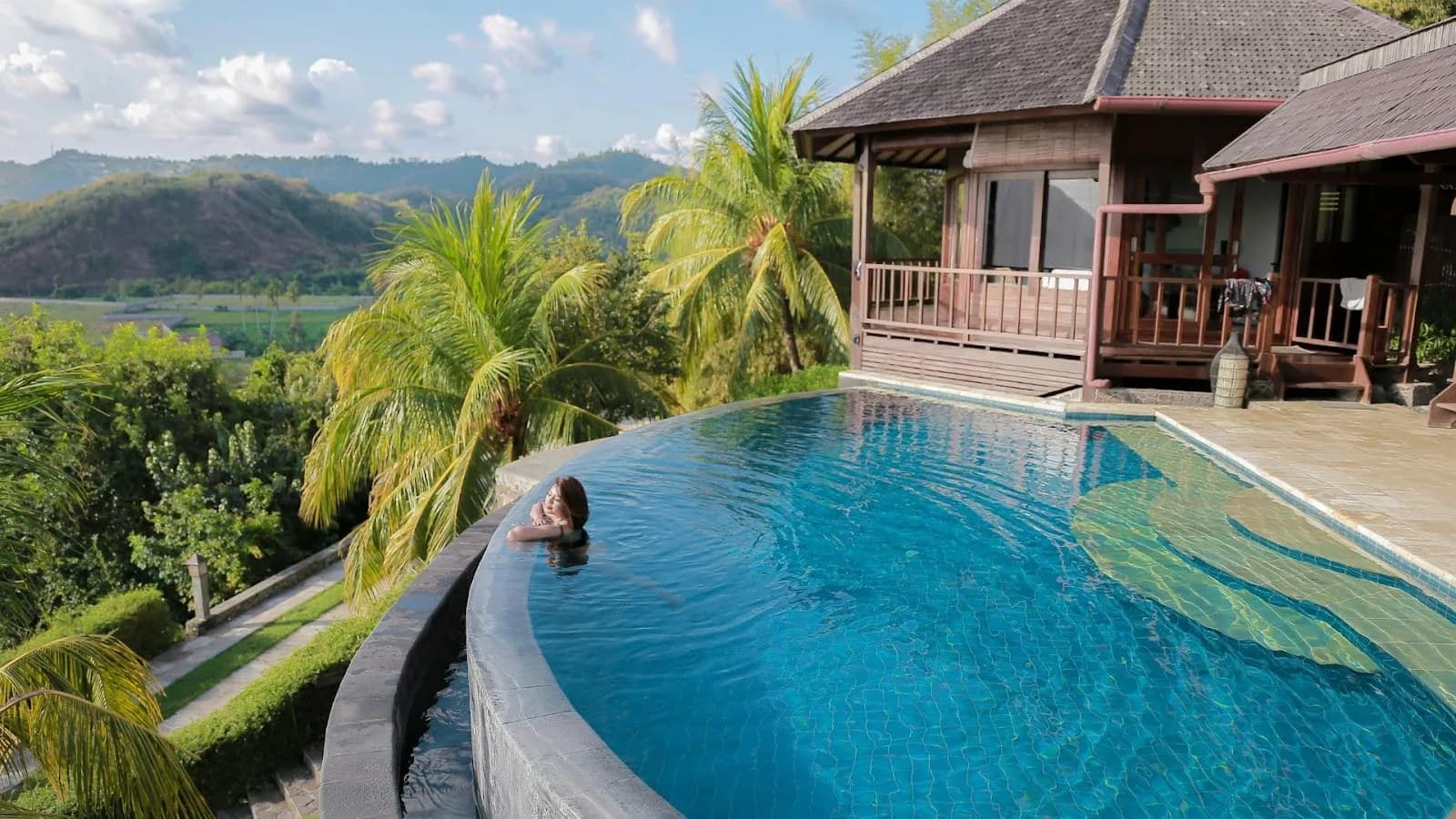
Building a villa in Bali is one of the most attractive investment decisions for foreigners and local investors alike. Tourism continues to grow, long-term rental demand remains strong, and the island’s lifestyle appeal makes property ownership feel both emotional and financial. But Bali is also one of the strictest provinces in Indonesia when it comes to spatial planning, building compliance, and environmental protection. Authorities increasingly monitor illegal villas, unlicensed construction, and buildings that operate without proper certification.
If you plan to build a villa in Bali, the most important thing to get right is permits—especially the PBG (Persetujuan Bangunan Gedung) and SLF (Sertifikat Laik Fungsi). These permits replaced the old IMB system and now form the legal foundation for safe, compliant development. Missing any step can lead to heavy consequences such as stop-work orders, sealing of the building, large administrative fines, or even demolition.
This article explains every key requirement in a simple, human-friendly way—from land due diligence, environmental approvals, design planning, and PBG submission, all the way to the final SLF certification. Whether you are a foreign investor, a developer, or a villa owner wanting to renovate or rebuild, this is your complete guide to doing things legally and avoiding costly mistakes.
Understanding Land Ownership Before You Build
Before any construction takes place, the most important decision is the type of land right you are building on. Indonesia does not allow foreigners to hold freehold land (Hak Milik) in their personal name. Therefore, you must choose one of several legal structures:
1. Leasehold (Hak Sewa)
Foreigners can legally lease land for long terms (commonly 25–30 years with optional extensions).
A lease can be used to build a villa, but the building must also follow the legal process for PBG and SLF.
2. Hak Pakai (Right to Use)
This is a legal right that foreigners can hold directly under certain conditions. It can be used for residential accommodation and is stronger than simple leasehold.
3. PT PMA Ownership (HGB / Hak Guna Bangunan)
Many foreign investors choose to establish a PT PMA, a foreign-owned company.
A PT PMA can legally hold HGB (Right to Build) land, which is the strongest option if your intention is long-term investment or operating villas commercially.
Whichever structure you choose, proper due diligence is critical. You must verify land certificates, ensure no overlapping claims, confirm zoning regulations (RDTR/RTRW), and check that the land is not located in protected “green belt” or cultural zones. Bali’s regional governments enforce spatial planning strictly, especially in areas such as Canggu, Ubud, Pererenan, and coastal zones where setbacks apply.
Environmental Approvals: AMDAL, UKL-UPL, or SPPL
Indonesia requires environmental approvals for various construction activities. The relevant laws, including Permen LHK No. 4/2021, classify tourism and accommodation-related buildings as activities that may require either AMDAL, UKL-UPL, or SPPL depending on size, impact, and location.
When AMDAL is required
Large-scale developments or villas located in environmentally sensitive locations may require a full environmental impact analysis (AMDAL). This process is detailed and usually involves professional environmental consultants.
When UKL-UPL applies
For moderate-scale villa developments, UKL-UPL may be sufficient. It outlines environmental management and monitoring efforts to ensure the project does not cause negative impact.
When SPPL is enough
Smaller villas often fall under the SPPL category, which is a statement of compliance with environmental standards.
Even if you believe your project is small, Bali’s local environmental office (DLH) may have specific thresholds. Ensuring this step is completed early helps avoid rejection during PBG processing.
PBG: The Permit That Replaced IMB
One of the biggest regulatory changes came with PP No. 16/2021, which officially replaced the old building permit (IMB) with the modern system known as PBG—Persetujuan Bangunan Gedung.
What is PBG?
PBG is government approval confirming that your building plan meets all required standards, including:
- Zoning and spatial regulations
- Building function and classification
- Structural and architectural integrity
- Safety and disaster-resilience standards
- Environmental alignment
- Infrastructure requirements such as drainage, sanitation, access, and utilities
Unlike the IMB, which functioned as a “permit to build,” PBG is a technical compliance approval based on your design.
What documents are required for PBG?
Although each region may have slight procedural differences, the core documents include:
- Land ownership documents (lease, HGB, Hak Pakai, etc.)
- Architectural and structural drawings
- Mechanical & electrical plans
- Site plan showing setbacks and access
- Soil test documents (when required)
- Environmental approvals (AMDAL/UKL-UPL/SPPL)
- Professional consultant signatures
Applications are submitted through the SIMBG system (simbg.pu.go.id), a national platform operated by the Ministry of Public Works and Housing.
Why PBG matters
Without PBG, construction is considered illegal. Bali regional authorities actively monitor construction sites, and projects found without PBG may face:
- Temporary or permanent stop-work orders
- Sealing of the site
- Administrative fines
- Forced demolition in severe cases
Property buyers and future renters increasingly demand legal documentation, meaning PBG also protects your investment value.
SLF: The Legal Certificate Required Before You Operate the Villa
Once construction is completed, every building in Indonesia must obtain SLF (Sertifikat Laik Fungsi) as required under Permen PUPR No. 27/2018.
What is SLF?
SLF certifies that your completed building is safe and ready for use. It verifies that construction followed the approved PBG design and meets all technical and operational standards.
Why is SLF mandatory for villas?
Without SLF, your villa is not legally allowed to be occupied or rented.
Authorities in Bali have sealed operating villas that failed to obtain SLF, especially commercial rentals.
Documents typically required for SLF
- “As-built” drawings verified by engineers
- Construction supervision reports
- Utility installation certifications (electricity, water, fire safety)
- Structural and architectural completion documents
- Photographs and inspection forms
Only after SLF is issued can you legally use, rent, sell, or insure the building.
Step-by-Step Process to Legally Build a Villa in Bali
While each project is unique, the following flow represents the typical legal journey:
1. Conduct Land Due Diligence
Confirm ownership rights, check zoning (RDTR), measure the land, verify boundaries, and ensure no cultural or environmental restrictions.
2. Secure Environmental Approvals
Complete AMDAL, UKL-UPL, or SPPL depending on your villa size and location.
3. Prepare Architectural and Structural Designs
Use licensed professionals familiar with Bali regulations to avoid revisions and delays.
4. Submit PBG through SIMBG
Upload all technical documents and wait for verification and approval.
5. Begin Construction Under Supervision
Construction must follow the approved PBG documents. Major design changes require an updated submission.
6. Apply for SLF After Completion
Submit inspection reports, test results, and as-built drawings. Once SLF is granted, the villa becomes legally operational.
Common Issues Investors Face When Building Villlas in Bali
Building in Bali comes with unique regional challenges. Some of the most common obstacles include:
- Land located in “non-buildable” zones despite being marketed as villa land
- Neighbors or adat communities opposing construction due to cultural considerations
- Villas operated commercially without SLF, leading to closure
- Lease agreements that do not explicitly grant the right to build
- Incomplete environmental documents delaying PBG approval
- Investors relying on outdated IMB-based processes
Legal compliance not only protects you from penalties, but also preserves long-term investment stability—critical for luxury villa rentals or resale.
FAQ: Building a Villa in Bali
Can foreigners legally build a villa in Bali?
Yes. Foreigners can legally build through leasehold, Hak Pakai, or by establishing a PT PMA that holds HGB land rights. The building itself still requires PBG and SLF.
Do I still need IMB?
No. IMB was officially replaced by PBG according to PP 16/2021.
How long does PBG approval take?
Timing depends on the complexity of the design and completeness of documents, but well-prepared submissions can be processed relatively quickly through SIMBG.
Can I rent out my villa without SLF?
No. SLF is mandatory before occupancy. Operating without SLF may result in sealing or penalties.
What happens if I build without PBG?
Authorities may issue a stop-work order, impose fines, or order partial or full demolition.
Conclusion
Bali is one of the world’s most attractive places to invest in property, but the island’s strict regulatory environment means building a villa cannot rely on assumptions or shortcuts. A legally compliant villa requires three fundamental pillars: correct land rights, approved PBG before construction, and a valid SLF after completion. When these elements are handled properly—along with environmental approvals and zoning compliance—you protect your investment, avoid legal risks, and ensure your villa can operate safely and profitably.
With proper planning and guidance, building a villa in Bali can be smooth, transparent, and fully legal.
Building a villa in Bali should not feel overwhelming. CPT Corporate helps investors, developers, and villa owners navigate every step—from land due diligence, PT PMA setup, zoning verification, environmental approvals, architectural compliance, PBG submission, and SLF issuance.
If you want your investment to be fully legal, protected, and future-proof, our team is ready to guide you from start to finish.
Contact CPT Corporate today for a consultation and build your Bali villa with complete confidence.