Land certificate Indonesia regulations are entering a significant transition, requiring property owners to understand which ownership documents will remain legally valid after February 2026.
Starting February 2, 2026, certain traditional forms of land ownership certificate will no longer be recognized as valid proof of ownership.
This pivotal change underscores the need to convert legacy documents into officially recognized Land Ownership Certificates. Failure to do so could result in legal uncertainty or even the loss of rights over one’s property.
This article explores the new legal framework, identifies the risks, and explains how CPT Corporate can assist individuals and companies in securing their land ownership through proper certification.
These regulations apply to both Indonesian citizens and foreign nationals who legally own land under permitted ownership schemes.
Land Certificate Indonesia: Why the 2026 Regulation Matters?
PP No. 18 of 2021 and Its Implications
Under Government Regulation No. 18 of 2021 concerning Land Rights and Land Registration, the Indonesian government mandates that traditional land documents such as Girik, Petok D, Letter C, Landrente, and Kikitir are no longer deemed valid legal proof of ownership. These documents, often rooted in customary and colonial systems, must be converted into a registered Land Ownership Certificate by February 2, 2026.
Transition Period and Its Deadline
The regulation provides a five-year transition period from its enactment in February 2021. After this grace period ends, only certified documents such as the Land Ownership Certificate (Sertifikat Hak Milik or SHM) will be accepted by the government, courts, and banks. Traditional documents will merely serve as supporting references and not as conclusive proof.
Why the Land Ownership Certificate Is Crucial?
Legal Certainty
A Land Ownership Certificate ensures that the property is legally recognized under the Indonesian National Land Agency (BPN). It eliminates ambiguity and significantly reduces the risk of disputes or overlapping claims.
Transactional Validity
Properties without a Land Ownership Certificate may face restrictions in buying, selling, leasing, or using the land as collateral. Certified ownership enables landowners to engage in legally binding transactions and gain access to financial services.
Risk Mitigation
Without a Land Ownership Certificate, landowners are exposed to potential claims from third parties or even the risk of losing their land rights. The certification serves as a protective shield in cases of legal contention.
Types of Documents Affected
The following documents will lose their legal standing as ownership proof:
- Girik
- Petok D
- Letter C
- Landrente
- Kikitir
These legacy documents often date back to colonial times or village-level administration and are no longer aligned with national land registration standards.
How to Convert to a Land Ownership Certificate
Step-by-Step Process
- Document Collection: Gather original copies of legacy documents, ID, and land tax payments.
- Village Confirmation: Obtain a letter of non-dispute and proof of ownership history from the village or kelurahan office.
- Submission to BPN: File an application at the local National Land Agency (BPN) office.
- Field Inspection: The land will be surveyed and measured.
- Public Notification: A 60-day announcement period will be held for any objections.
- Issuance of Certificate: Upon successful verification, the official Land Ownership Certificate will be issued.
Timeframe and Fees
Processing times and fees may vary depending on location and land size. Utilizing the services of a legal professional like CPT Corporate can streamline the process, avoid delays, and ensure compliance.
CPT Corporate: Your Trusted Legal Partner
CPT Corporate provides expert legal services tailored to assist landowners and investors in navigating Indonesia’s regulatory landscape. Our team offers:
- End-to-end assistance in converting legacy land documents into Land Ownership Certificates
- Legal due diligence for property transactions
- Coordination with village authorities and BPN
- Business license and land compliance advisory
With deep knowledge of local and national land regulations, CPT Corporate ensures that your property rights are legally secure and fully documented.
Conclusion
The transition toward standardized land certification in Indonesia reflects the government’s commitment to legal clarity and protection of property rights. Landowners must act promptly to convert legacy documents into recognized Land Ownership Certificates before the 2026 deadline. Neglecting this could result in legal ambiguity or the inability to exercise ownership rights. Engaging a trusted legal advisor like CPT Corporate can simplify the process, reduce administrative burden, and provide peace of mind. Don’t let your land ownership status become uncertain. Secure your rights today.
Ensure your land is legally protected!
Contact CPT Corporate today for comprehensive assistance in obtaining your Land Ownership Certificate. Our experts are ready to guide you through each step with professionalism and precision.
Frequently Asked Questions (FAQ)
1. What happens if I don’t convert my old land document?
Your land will not be recognized legally as your property. While not automatically confiscated, it will be vulnerable to disputes and difficult to transact.
2. Are these changes applicable to all regions in Indonesia?
Yes. This regulation applies nationwide and covers both urban and rural land holdings.
3. Can a land ownership dispute be resolved without certification?
Without a Land Ownership Certificate, resolving disputes becomes significantly more complex and uncertain.
4. Is there a deadline?
Yes. The deadline to convert legacy documents into Land Ownership Certificates is February 2, 2026.
5. How can CPT Corporate help me?
CPT Corporate assists with document preparation, submission, coordination with BPN, and ensures that your land ownership rights are formally recognized.
 Client Login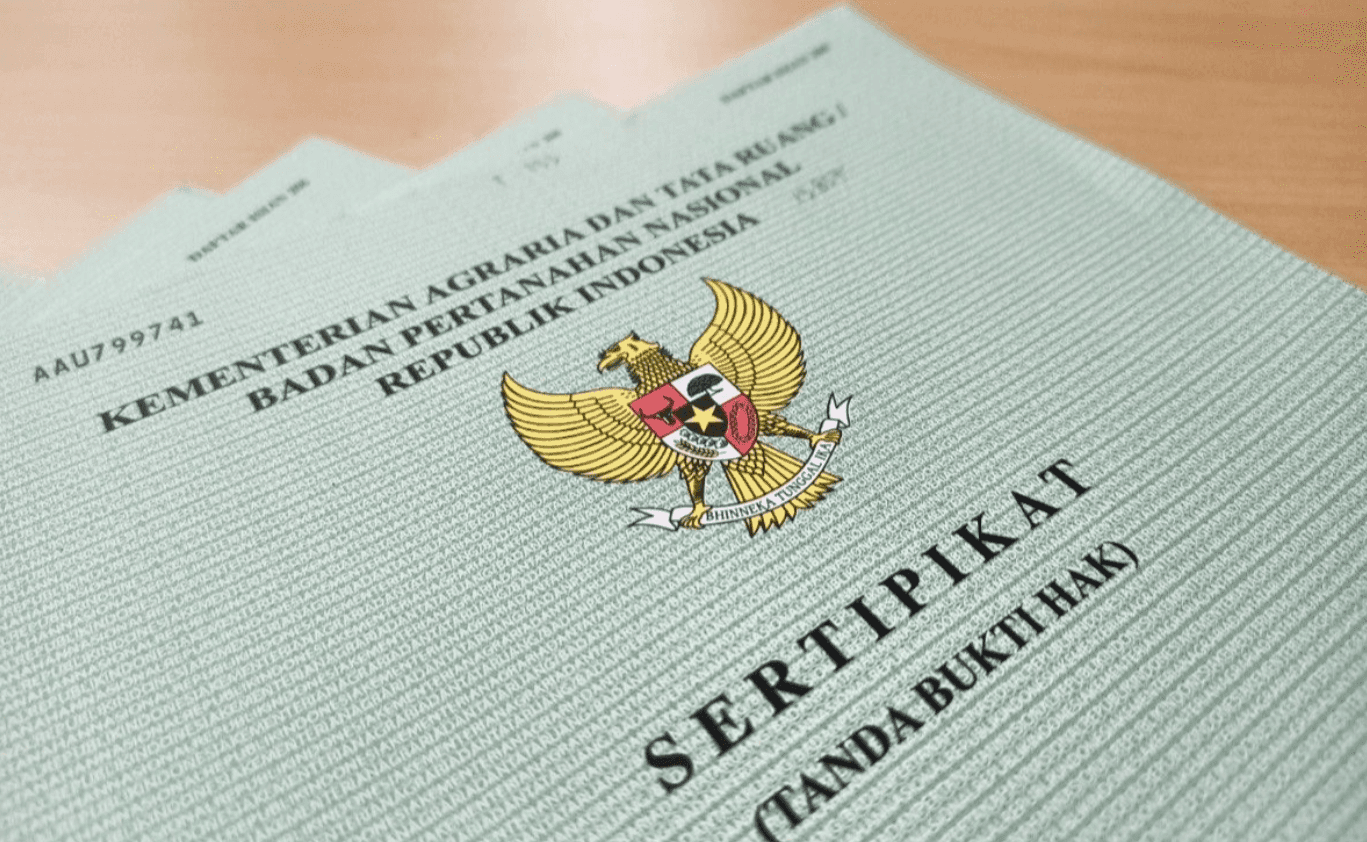
 Share on facebook
 Share on X