Why Indonesia Tourism Attracts Foreign Investment and What Licenses Are Required
Englishbusiness licensing Indonesiabuying property in IndonesiaCPT Corporateforeign investmentforeign ownership Indonesia+4 more
May 23, 2025by Alif URALA

Why Indonesia Tourism Attracts Foreign Investment and What Licenses Are Required

Introduction Indonesia Tourism has long captivated travelers and investors alike, with its blend of cultural richness, biodiversity, and economic potential. The tourism sector in Indonesia is not only a source of national pride but also a crucial pil.

Introduction

Indonesia Tourism has long captivated travelers and investors alike, with its blend of cultural richness, biodiversity, and economic potential. The tourism sector in Indonesia is not only a source of national pride but also a crucial pillar of economic development. As the Indonesian government aggressively promotes tourism as a key growth sector, Indonesian Tourism Investment increasingly drawn to opportunities ranging from resorts to travel tech startups. However, tapping into the Indonesia Tourism industry requires a deep understanding of its regulatory framework, especially the business licensing system.

The Allure of Indonesian Tourism for Foreign Investors

1. Vast Natural and Cultural Resources

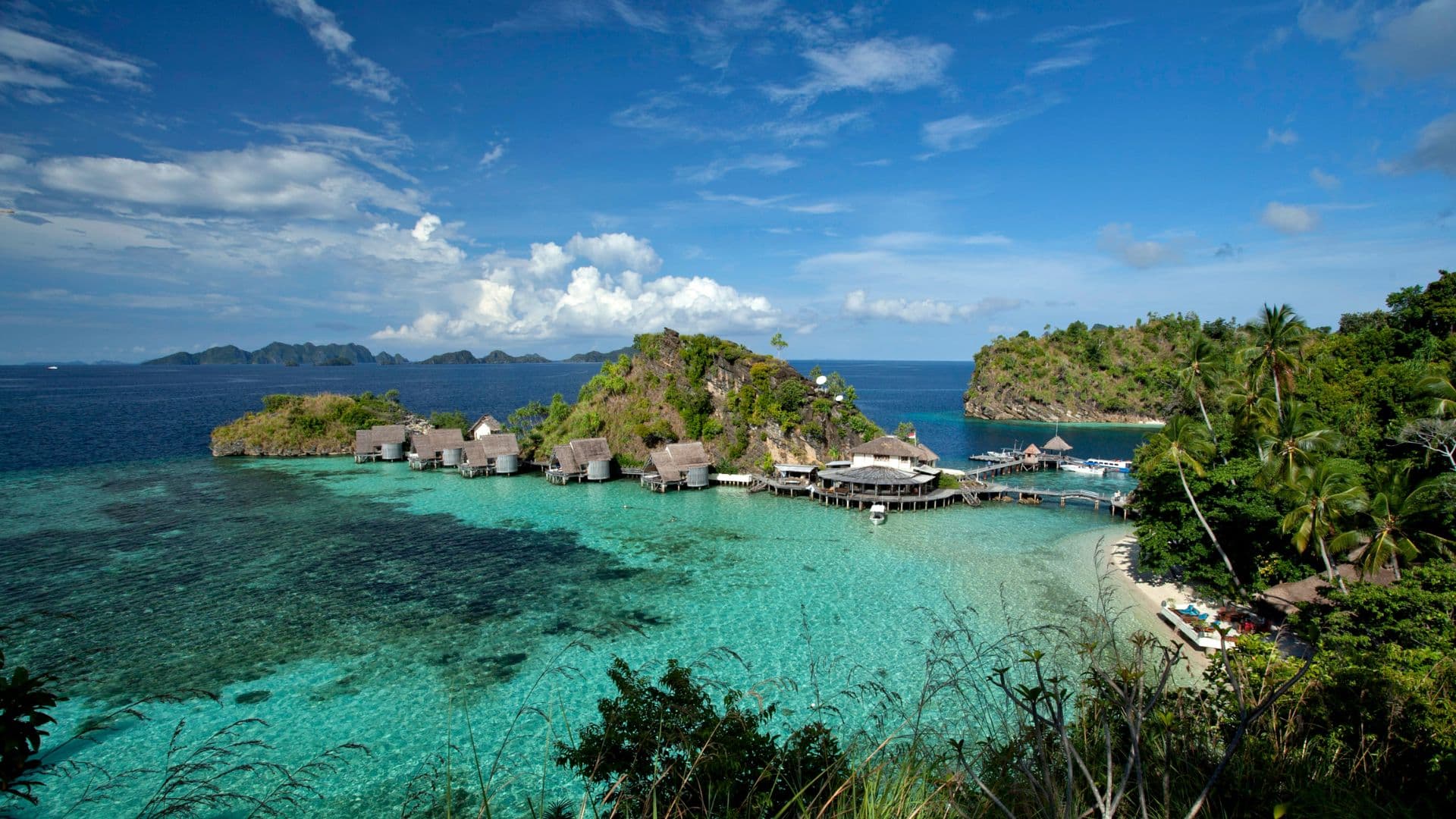
Indonesian Tourism thrives on the country's diverse landscapes, including tropical beaches, volcanic mountains, and vibrant cultural traditions. Destinations such as Bali, Lombok, Yogyakarta, and Komodo Island are globally recognized for their tourism appeal. This geographic and cultural variety allows for numerous niche markets such as eco-tourism, cultural tourism, and adventure tourism.

2. Government Support and Policy Incentives

To promote Indonesian Tourism, the government has launched initiatives like the "10 New Balis" project, aiming to develop ten new tourist destinations across the archipelago. Furthermore, Indonesia's Omnibus Law on Job Creation simplifies licensing and investment procedures, making it easier for foreign companies to enter the tourism sector.

3. Growing Market and Domestic Demand

With a population of over 270 million and a rising middle class, domestic tourism plays a significant role in Indonesian Tourism. This internal demand creates a stable foundation for tourism businesses, especially those in hospitality, travel services, and digital booking platforms.

4. Strategic Location in Southeast Asia

Indonesia's strategic position between Asia and Australia makes it an ideal hub for international tourism. As travel resumes post-pandemic, Indonesian Tourism is well-placed to benefit from regional connectivity and inbound travel.

Legal Requirements: Licenses for Entering Indonesian Tourism Market

1. Business Identification Number (NIB) via OSS

All businesses in Indonesia, including those in Indonesian Tourism, must obtain a Business Identification Number (NIB) through the Online Single Submission (OSS) system. This acts as the primary business license and integrates other required licenses and permits.

2. Sector-Specific Licensing

Depending on the nature of the business within Indonesia Tourism, different licenses apply:
  • Hotel and Accommodation: Hotels with a building area of ​​<6,000-10,000 meters require a certificate, UKL-UPL/AMDAL, Health Certificate, and Business Standard Certificate. Click for more information about KBLI Hotel and accomodations
  • Travel Agencies: K3L standard certificate.
  • Tour Guides and Cultural Performers: K3L standard certificate and trained according to national standards. Click for more information about KBLI travel agency

3. Risk-Based Licensing System (Si Uspar)

Indonesian Tourism businesses are now categorized based on risk level—low, medium, or high. Licensing procedures and requirements vary accordingly. The Si Uspar system helps investors assess their readiness and compliance status before applying for formal certification.

4. Environmental and Location Permits

Tourism operations often require an Environmental Impact Analysis (AMDAL) or Environmental Management Effort (UKL-UPL), particularly for resort developments. In coastal or conservation areas, location permits and zoning approvals are crucial.

5. Foreign Investment Company (PT PMA) Requirements

Foreign investors must establish a PT PMA (foreign-owned company) to operate in Indonesia. This includes minimum capital requirements and registration through BKPM (Indonesian Investment Coordinating Board) with Online Single Submission (OSS) system access.

Role of CPT Corporate in Supporting Indonesian Tourism Businesses

Navigating the regulatory landscape of Indonesian Tourism can be complex. CPT Corporate offers end-to-end support services for foreign investors looking to enter or expand in this dynamic sector. CPT Corporate’s deep experience in Business License Indonesia services ensures smooth and efficient market entry, allowing clients to focus on building and scaling their Indonesia Tourism ventures.

Indonesian Tourism Segments Open for Investment

1. Hospitality

Investing in resorts, hotels, and guesthouses in high-traffic tourist areas remains one of the most popular and profitable options within Indonesian Tourism.

2. Eco and Adventure Tourism

Sustainable tourism is on the rise. Opportunities include jungle trekking, diving centers, and eco-resorts especially in places like Raja Ampat, Flores, and North Sumatra.

3. Travel Technology

Booking platforms, AI-powered travel planners, and mobile tourism applications are a booming part of the Indonesian Tourism ecosystem.

4. Cultural and Culinary Tourism

Entrepreneurs are investing in experiences that celebrate Indonesian cuisine, crafts, and local traditions. This segment adds authenticity to Indonesian Tourism and boosts local economies.

Challenges and Considerations

  • Language and Bureaucracy: Local knowledge is critical to navigate language barriers and regional regulations.
  • Infrastructure Gaps: Remote tourism areas may still lack adequate infrastructure, affecting scalability.
  • Cultural Sensitivity: Investors must ensure their operations respect local customs and cultural heritage.

Conclusion: Tap into Indonesian Tourism with Confidence

Indonesia Tourism continues to present an exceptional investment opportunity for foreign businesses. From untapped island destinations to modern travel-tech, the potential is vast. However, success requires thorough planning, regulatory compliance, and local expertise. CPT Corporate stands ready to assist with all aspects of business setup and licensing, helping you enter this sector smoothly and legally. Contact CPT Corporate Today Visit cptcorporate.com to learn more about how we can help your tourism investment succeed in Indonesia.

Related Posts

KITAS Indonesia What Foreigners Should Know Before Applying
BlogEnglish
September 10, 2026

KITAS Indonesia What Foreigners Should Know Before Applying

Read More
Work Permit in Indonesia What Foreign Employees Need to Know
BlogEnglish
September 9, 2026

Work Permit in Indonesia What Foreign Employees Need to Know

Read More
Mengenal Pusat Finansial Internasional Indonesia (PFII): Aturan Baru tentang Tata Kelola, Sistem Peradilan, dan Insentif Pajak
blogindonesia
August 14, 2026

Mengenal Pusat Finansial Internasional Indonesia (PFII): Aturan Baru tentang Tata Kelola, Sistem Peradilan, dan Insentif Pajak

Pemerintah bersama Dewan Perwakilan Rakyat (DPR) resmi mengesahkan Rancangan Undang-Undang tentang Pusat Finansial Internasional Indonesia (RUU PFII) pada 21 Juli 2026.

Read More

Schedule a Free Consultation!

Tell us about your plan and our consultants will reach out to you to assist with your needs.

Book Free Consultation
WhatsApp