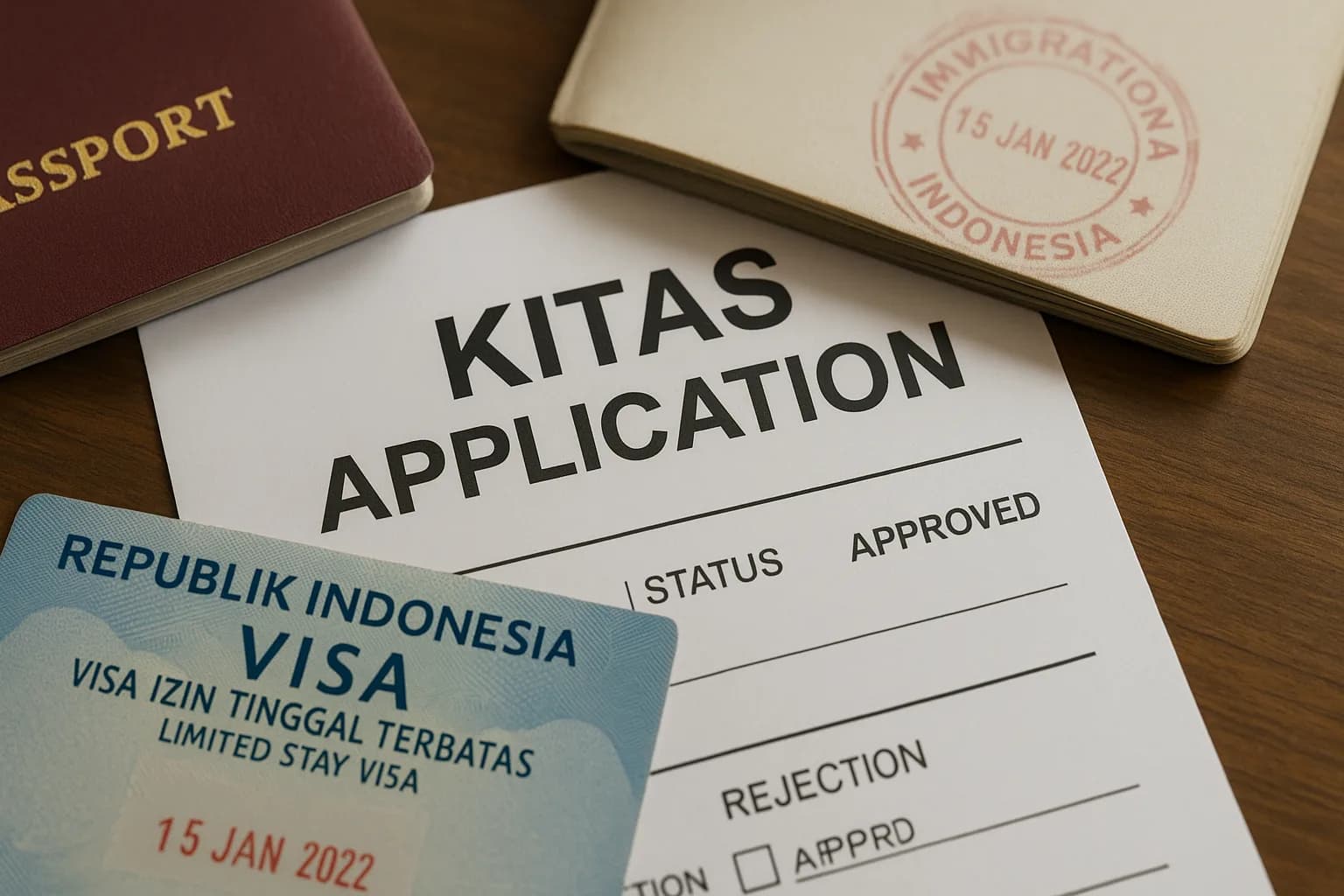
Applying for a KITAS (Limited Stay Permit) is one of the most important steps for foreigners who want to work, invest, or live long-term in Indonesia. The process may seem straightforward, but the reality is that KITAS rejections still happen frequently—even as Indonesia has modernized its immigration systems and introduced more digital processes.
A KITAS rejection can disrupt your plans, delay employment timelines, lead to financial loss, or even require you to leave the country depending on your legal status. While some rejections are due to strict regulations, most are entirely preventable.
Based on insights from immigration authorities, regulatory updates, and common patterns observed across Indonesia’s visa compliance landscape, here are the 10 most common reasons KITAS applications get rejected—and how to avoid them.
1. Incomplete or Incorrect Documentation
Across various immigration case patterns, the most common cause of KITAS rejection is incomplete or inaccurate documentation. Indonesian immigration systems now use digital verification, making inconsistencies more easily detectable.
Frequent documentation errors include:
- Passport names that don’t match with other documents
- Incorrect job titles or company roles listed
- Missing sponsorship letters or outdated company profiles
- Expired passports or insufficient passport validity
- Typographical or data entry inconsistencies
These errors may seem small, but immigration authorities treat mismatched or incomplete documents as potential compliance risks.
How to avoid this:
Ensure every document—passport, sponsorship letter, electronic forms, entry records—matches perfectly. Allow time for a thorough pre-submission review.
2. Sponsoring Company Is Inactive or Non-Compliant
A KITAS application relies heavily on the legal standing of the sponsor, especially for investor and working KITAS categories. If your sponsor is not fully compliant under Indonesian regulations, your application can be rejected even if your personal documents are correct.
Common issues with sponsors include:
- Expired business licenses
- Company not registered properly in OSS RBA
- Data inconsistencies between company documents
- Failure to meet reporting or tax obligations
- Business sectors that are not allowed to employ foreign workers
Immigration routinely verifies the sponsor’s legal status before approving any stay permit, and any irregularity can trigger a rejection.
How to avoid this:
Have your sponsor undergo a compliance check before starting the KITAS process. Make sure all corporate documents are active and aligned with manpower regulations.
3. Wrong KITAS Type for Your Situation
Many applicants unknowingly choose the wrong type of KITAS, which leads to immediate rejection. Immigration evaluates whether the applicant’s activities, sponsorship structure, and documents align with the KITAS category they applied for.
Examples of mismatches include:
- Applying for a Working KITAS when the job role is not permitted for foreign workers
- Applying for an Investor KITAS without meeting shareholding or capital structure requirements
- Using a dependent KITAS when the family documentation is incomplete
- Selecting the wrong KITAS index for the intended duration or activity
Choosing the wrong permit type signals to immigration that the applicant or sponsor does not understand the regulations, which increases the risk of denial.
How to avoid this:
Have your situation reviewed by a professional to determine the correct KITAS type before initiating the application.
4. Past Immigration Violations or “Data History Flags”
Immigration closely monitors past travel and visa history. Any previous violations—even minor ones—can increase the likelihood of a KITAS rejection.
Issues that may trigger a flag include:
- Previous overstays
- Being caught working without a permit
- Using a tourist visa for business activities
- Past deportations or blacklisting
- Multiple passport usage or identity inconsistencies
- Incorrect past declarations in visa forms
With immigration databases becoming more integrated, past actions are easier to trace. Even honest mistakes or misunderstandings from past visits can influence the current evaluation.
How to avoid this:
Review your past immigration history. If you’ve had issues, disclose them clearly and prepare supporting explanations or corrective documents before applying.
5. Documents Provided by Unlicensed or Unofficial Agents
A major issue in Indonesia’s visa landscape is the presence of unlicensed agents who prepare incomplete or inaccurate documents. Immigration authorities frequently reject applications linked to poorly prepared paperwork or suspicious submissions.
Common problems include:
- Inaccurate sponsor letters
- Incorrect financial or tax information
- Non-standard templates
- Misleading employment descriptions
- Documents that do not meet formal formatting requirements
In severe cases, fraudulent documentation can lead to blacklisting or legal action.
How to avoid this:
Always work with licensed, legitimate immigration professionals who understand Indonesian regulations and can ensure proper documentation.
6. Sponsor Does Not Meet Foreign Worker Requirements
For Working KITAS, sponsors must comply with specific manpower regulations. If the company does not meet these requirements, immigration will reject the application.
Common non-compliance issues include:
- Company does not meet capital requirements for foreign employment
- Unapproved RPTKA (Foreign Worker Placement Plan)
- Job title not included in permitted positions for expatriates
- Incorrect ratio requirements between foreign workers and local staff
Immigration conducts strict checks to ensure foreign workers are only placed in permitted roles.
How to avoid this:
Verify that your company has the correct business classification, RPTKA, and legal structure before applying.
7. Health and Security Concerns
Under Indonesian immigration law, KITAS applications may be rejected if the applicant is deemed a potential risk to public health, safety, or order.
Legal grounds for rejection include:
- Infectious disease concerns
- Severe mental health conditions that may endanger others
- Past involvement in public disorder
- Criminal activity in or outside Indonesia
While these cases are less common, they remain formal grounds for rejection.
How to avoid this:
Ensure all required health information is accurate, and avoid any conduct during your stay that could raise security concerns.
8. Passport Validity Issues or Entry Mismatch
KITAS approval requires the applicant’s passport to remain valid for a specific duration, depending on the KITAS category. Immigration will reject applications with:
- Damaged passports
- Insufficient remaining validity
- Missing passport pages
- Entry into Indonesia under the wrong visa category
- Arrival dates that do not match the visa or sponsor timeline
These details are automatically verified through the immigration system.
How to avoid this:
Renew your passport early and enter Indonesia only under the visa category intended for your KITAS conversion or activation.
9. Overstay or Illegal Work Prior to KITAS Issuance
Working or earning income in Indonesia before the KITAS is issued is a serious violation. Overstaying—even if resolved later—can also affect future applications.
Immigration treats these infractions seriously because they reflect the applicant’s willingness to comply with Indonesian law.
Examples include:
- Working remotely for a foreign company without the proper permit (depending on the case)
- Assisting a business before KITAS activation
- Staying beyond visa validity without timely extension
- Using a tourist visa for work-related activities
How to avoid this:
Wait until your KITAS is fully issued before performing any work. Track your visa deadlines carefully.
10. Failure to Update Changes or Maintain Status
Immigration requires foreigners to report major changes during their stay. If these changes are not updated, your KITAS may be considered invalid during renewal or application for a new permit.
Common unreported changes include:
- New passport
- Change of residential address
- Change of sponsor
- Change in job title or employment terms
- Company restructuring or ownership changes
Failing to update your data often results in rejection during renewal or downgrade/upgrade processes.
How to avoid this:
Report every relevant change to immigration promptly and update all related documents.
Conclusion
Most KITAS rejections in Indonesia are avoidable. The vast majority stem from documentation issues, sponsor non-compliance, incorrect permit selection, past violations, or inaccurate submissions from unlicensed agents. By understanding these 10 common causes, both expatriates and companies can prepare more effectively and avoid costly delays.
Indonesia’s immigration system is becoming more digital and more strict about data accuracy. That means proactive compliance and early preparation are now more important than ever.
A clean, compliant, and well-prepared application drastically increases your chances of smooth KITAS approval—without unnecessary setbacks.
FAQ: KITAS Rejection in Indonesia
1. Can I reapply after my KITAS is rejected?
Yes. However, you must address the exact issue that caused the rejection before resubmitting.
2. Does rejection affect future applications?
It depends. Minor documentation errors do not usually affect future submissions, but violations like overstays or inaccurate declarations can.
3. Can I stay in Indonesia after a KITAS rejection?
You may stay as long as you still have a valid visa or stay permit. If not, you’ll be required to exit and reapply.
4. Does changing a sponsor affect my KITAS?
Yes. A sponsor change must be processed legally. Unreported sponsor changes render your KITAS invalid.
5. How can I ensure my KITAS is accepted?
Use complete documentation, choose the correct KITAS type, ensure sponsor compliance, and work only with licensed immigration professionals.
If you want to avoid rejection and secure a smooth, compliant KITAS process, CPT Corporate can assist you with full-service immigration support—covering eligibility assessment, document preparation, sponsorship compliance, and full representation before Indonesian immigration authorities.
Contact CPT Corporate today and let us ensure your KITAS is approved without unnecessary delays.