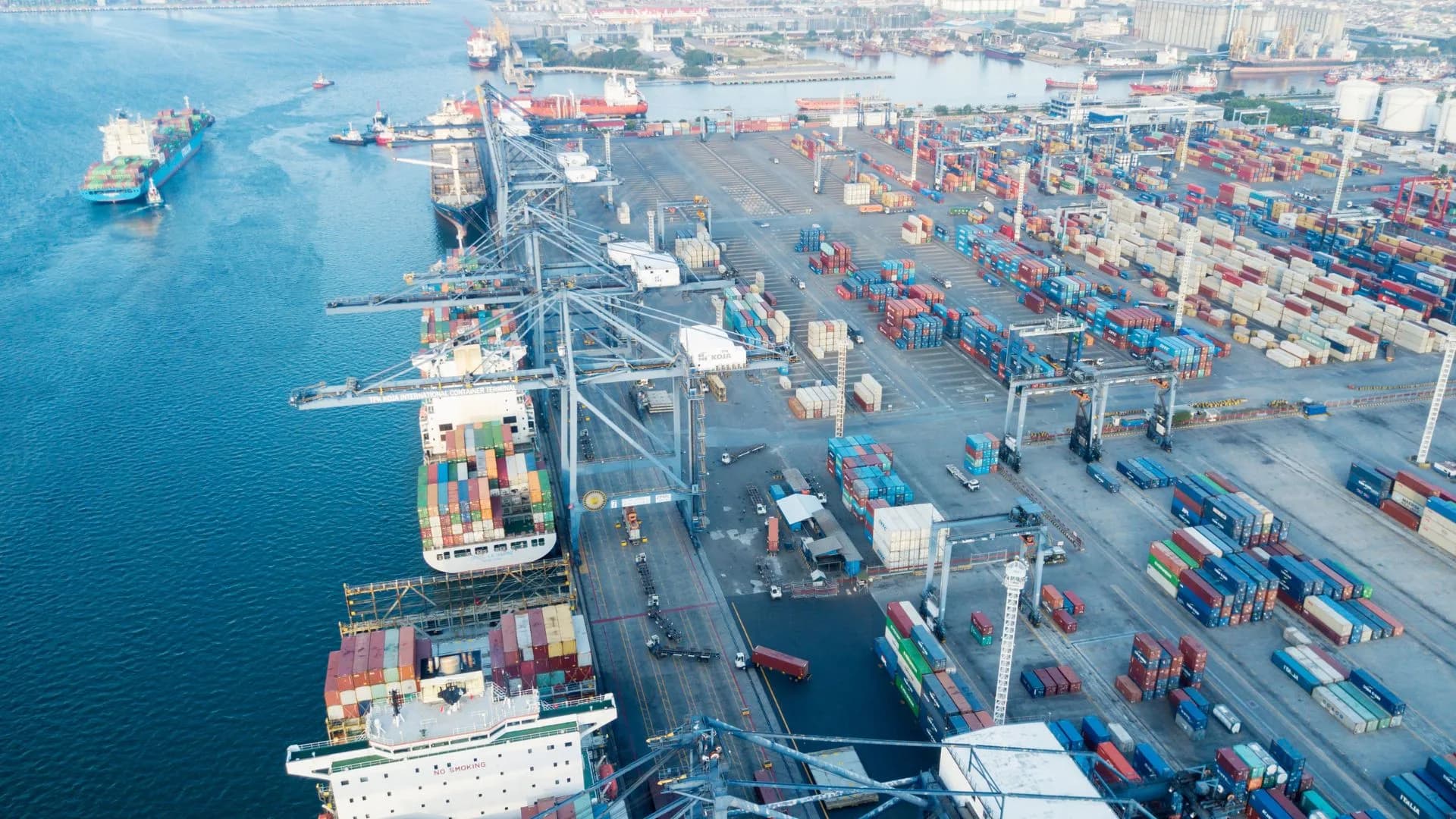
As the United States and Indonesia continue discussions on tariff reductions, there is growing optimism about potential economic benefits for several key sectors in Indonesia. The possibility of achieving zero-percent tariffs on select Indonesian exports could provide a significant boost to industries looking to expand in the U.S. market. This article identifies and explores the top sectors in Indonesia likely to benefit from these tariff negotiations and how businesses can prepare for these opportunities, especially through proper company registration.
Background: U.S.-Indonesia Tariff Negotiations
According to a recent article by Hukumonline, Indonesia is actively pursuing trade negotiations with the U.S. in hopes of being granted preferential tariff treatment. While the discussions are still ongoing, the potential for zero tariffs on specific goods mirrors the benefits enjoyed by countries listed under the Generalized System of Preferences (GSP). Although Indonesia is no longer a GSP beneficiary, the country continues to push for equitable access to the U.S. market through bilateral trade improvements.
Why Tariff Reductions Matter
Tariffs directly affect the competitiveness of exports. High tariffs can discourage U.S. importers from sourcing goods from Indonesia due to higher final costs. Conversely, reduced or eliminated tariffs can make Indonesian products more attractive by lowering their price point, increasing demand and market share. For companies ready to take advantage, this scenario opens a lucrative path for expansion into the U.S.
Key Sectors Set to Benefit
1. Textile and Garment Industry
Indonesia’s textile and garment industry has long been one of the nation’s top export earners. However, it remains highly sensitive to tariff impositions in export destinations, particularly the U.S. With tariff reductions, Indonesian manufacturers can compete more effectively against regional competitors like Vietnam and Bangladesh, who often enjoy better trade terms. Zero tariffs could boost employment, investment, and output in this labor-intensive industry.
Current Export Landscape
- Major products: T-shirts, trousers, jackets, and synthetic fabrics
- 2024 export value to U.S.: Over $4 billion
- Major players: Various OEM suppliers and vertically integrated manufacturers in Central Java and West Java industrial zones
2. Footwear and Leather Products
Similar to garments, the Indonesian footwear sector exports a significant portion of its output to the U.S. market. Shoes, sandals, and leather accessories currently face moderate to high tariffs, reducing their global competitiveness. A zero-tariff regime would stimulate production and possibly invite foreign investors seeking to relocate manufacturing bases from China to Indonesia.
Why It Matters
- U.S. is one of the largest markets for footwear globally
- Rising global demand for sustainable and ethically produced shoes benefits Indonesia’s positioning
3. Furniture and Wood-Based Products
Indonesia’s rich forest resources and skilled artisans have made its furniture sector a standout in global markets. However, tariffs and non-tariff barriers in the U.S. have limited its full potential. Should tariffs be lowered or eliminated, Indonesia could see an increase in export volumes and value-added production.
Potential Growth Areas
- Teak wood furniture
- Rattan and bamboo crafts
- Office and home furniture for U.S. retail and e-commerce channels
4. Processed Food and Beverages
Processed foods, especially tropical fruit derivatives, coffee, tea, and snacks, are gaining traction in the health-conscious and multicultural U.S. consumer market. Lower tariffs would improve shelf competitiveness and support the growth of Indonesian food SMEs aiming to export.
Subcategories with High Potential:
- Instant coffee and specialty blends
- Packaged tropical fruit snacks (e.g., jackfruit, salak)
- Organic and halal-certified products
5. Automotive Components
Indonesia is positioning itself as a regional hub for electric vehicle (EV) and automotive part manufacturing. Exporting automotive components, such as wiring systems, tires, and small engine parts to the U.S., could become more feasible and profitable with reduced tariffs.
Investment Potential
- Strategic interest from Japanese and Korean automotive brands
- Availability of skilled labor and supporting industries
6. Natural Resource Derivatives
Palm oil, rubber, and derivative products like biofuel and oleochemicals are important Indonesian exports. While sensitive due to environmental scrutiny, tariff incentives can still support the transition to sustainable practices and increase the appeal of certified sustainable products.
Key Notes
- ESG compliance is crucial for market access
- U.S. importers are increasingly interested in traceable and responsibly sourced raw materials
How Businesses Should Prepare
For Indonesian businesses to truly benefit from the evolving trade landscape, formal company registration and legal compliance are critical. Not only do they ensure eligibility for export incentives, but they also enhance credibility with foreign buyers and government institutions.
Importance of Company Registration in Seizing Opportunities
Registering a company in Indonesia provides legitimacy and access to incentives under trade agreements. It enables businesses to:
- Apply for export permits
- Partner with international distributors
- Access banking and trade financing
- Protect their intellectual property
For companies looking to expand or enter the U.S. market, a registered business entity also facilitates better logistics, documentation, and dispute resolution.
Conclusion
The ongoing tariff negotiations between the United States and Indonesia represent a window of opportunity for key export sectors. From textiles and footwear to automotive components and processed foods, reduced or zero tariffs could significantly increase Indonesia’s export capacity. However, only businesses with proper legal standing and company registration will be in the best position to capitalize on these advantages.
CPT Corporate offers end-to-end solutions for company registration in Indonesia. Whether you are an SME looking to formalize your business or a multinational aiming to set up a production base, our team ensures a seamless, compliant, and efficient registration process. Don’t let bureaucracy hinder your global ambitions. Let CPT Corporate be your legal and strategic partner in navigating Indonesia’s business landscape.